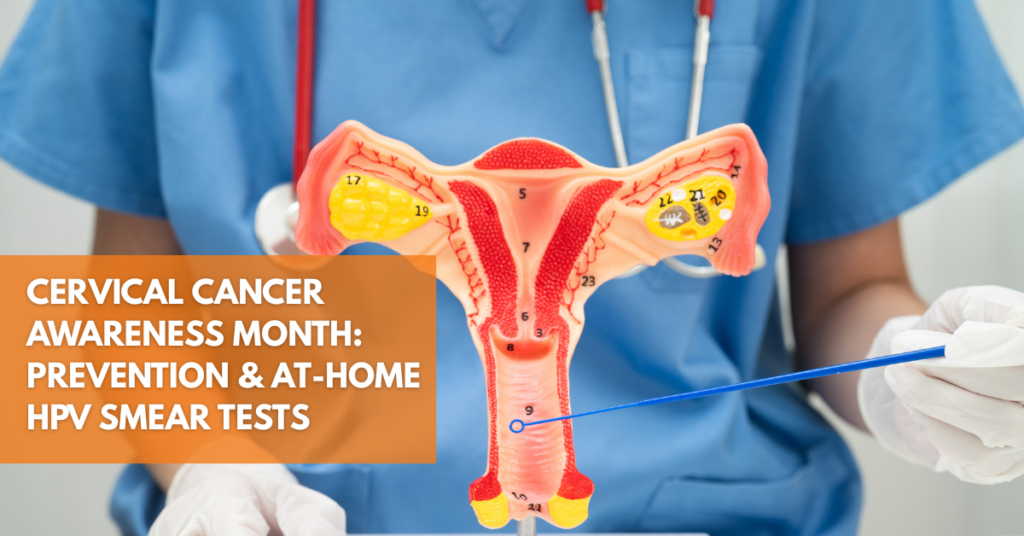
January is Cervical Cancer Awareness Month, and as a healthcare clinic, we use this time each year to remind women how powerful prevention truly is. Cervical cancer is one of the most preventable cancers, yet it still affects thousands of women across the UK. Early detection and timely intervention make a life-changing difference.
At our clinic, we believe education, access, and choice are key to improving women’s health outcomes.
What Is Cervical Cancer?
Cervical cancer develops in the cells of the cervix and is most commonly caused by persistent infection with high-risk strains of the Human Papillomavirus (HPV). HPV is extremely common and usually harmless, but when it does not clear naturally, it can lead to abnormal cell changes over time.
These changes rarely cause symptoms in the early stages, which is why regular screening is essential, even when you feel completely well.
Why Cervical Cancer Awareness Month Matters
According to NHS guidance, cervical screening is one of the most effective ways to prevent cervical cancer. Despite this, many eligible women delay or miss screening appointments.
In our Aberdeen clinic, we often hear concerns such as:
- “I feel well, so I didn’t think it was urgent”
- Anxiety about the smear test itself
- Difficulty finding time for appointments
- Uncertainty about eligibility or screening intervals
January is an important reminder to reset priorities and put preventative healthcare back on the agenda.
Cervical Screening: A Preventative Test That Saves Lives
Cervical screening (commonly known as a smear test) does not test for cancer. It looks for high-risk HPV and early cell changes before cancer develops.
In line with NHS Scotland guidance:
- Cervical screening is routinely offered every every 5 years for ages 25-64.
If you have missed an invitation, are unsure of your last test, or would prefer private screening in Aberdeen, early action can make a significant difference.
Symptoms Should Always Be Checked
Early cervical cancer may cause no symptoms at all. However, please seek medical advice if you experience:
- Bleeding between periods or after sex
- Unusual vaginal discharge
- Pain during intercourse
- Persistent pelvic or lower abdominal pain
While these symptoms are often caused by non-cancerous conditions, they should never be ignored.
HPV Vaccination and Ongoing Protection
The HPV vaccine provides strong protection against the most common high-risk HPV types linked to cervical cancer. While vaccination has significantly reduced risk, it does not remove the need for cervical screening.
Screening remains essential, even if you have been vaccinated.
At-Home HPV Smear Tests Available in Aberdeen
We recognise that attending a clinic appointment is not always convenient or comfortable. To improve access and choice, we offer at-home HPV smear testing for patients in Aberdeen and surrounding areas.
Our at-home service includes:
- A telephone consultation with one of our experienced nurses
- A clinically approved HPV self-sampling kit sent to your home
- Clear instructions and ongoing support
- Secure laboratory testing and confidential results
This option provides privacy, flexibility, and reassurance, while maintaining the same clinical standards you would expect in a healthcare setting.
Cervical Cancer Awareness Month is about empowerment, not fear. It is about removing barriers to care and encouraging early action.
Whether you choose an in-clinic cervical screening appointment in Aberdeen or the convenience of an at-home HPV smear test, our clinical team is here to support you every step of the way.
Your cervical health matters. Screening saves lives. January is the right time to act.
Book your HPV smear tests with ROC Clinic Aberdeen today.
Frequently Asked Questions – Cervical Cancer Awareness Month
Cervical Cancer Awareness Month takes place every January and focuses on educating women about cervical cancer prevention, early detection, and the importance of regular screening. It aims to reduce late diagnoses through improved awareness of HPV, smear tests, and symptoms.
According to NHS guidance, women and people with a cervix aged 25 to 64 should attend cervical screening regularly. Screening is typically offered every five years from age 25 to 64. If you are unsure when you were last screened, it is advisable to check and book an appointment.
Cervical screening checks for high-risk types of HPV that can cause abnormal changes in cervical cells. It is a preventative test and helps identify issues before cervical cancer develops.
Yes. Cervical cancer often develops without symptoms in its early stages. Feeling well does not mean screening is unnecessary. Regular screening is essential even if you have no symptoms.
Early cervical cancer may not cause symptoms. When symptoms do occur, they can include bleeding between periods, bleeding after sex, unusual vaginal discharge, pain during intercourse, or persistent pelvic pain. Any of these symptoms should be assessed by a healthcare professional.
An at-home HPV smear test allows you to collect a vaginal sample yourself using a clinically approved kit, without attending the clinic. The sample is then sent to a laboratory to test for high-risk HPV.
Yes. NHS-approved HPV self-sampling tests are clinically validated and highly effective at detecting high-risk HPV. They offer a reliable alternative for women who prefer not to attend an in-clinic appointment.
Our service begins with a telephone consultation with one of our experienced nurses, who will explain the process and assess suitability. A test kit is then sent to your home with clear instructions. Once completed, the sample is returned for laboratory analysis, and results are shared securely.
Yes. While the HPV vaccine significantly reduces the risk of cervical cancer, it does not protect against all HPV types. Regular cervical screening remains essential even if you have been vaccinated.
Yes. Private cervical screening is available for women who want faster access, more flexible appointment times, or the option of at-home testing. This can be particularly helpful if you have missed NHS screening invitations or prefer additional reassurance.
References
- Cervical Cancer (Overview) – https://www.nhs.uk/conditions/cervical-cancer/
- Cervical Screening (Smear Test) – https://www.nhs.uk/conditions/cervical-screening/
- Who Is Invited for Cervical Screening (England & Scotland aligned guidance) – https://www.nhs.uk/conditions/cervical-screening/when-youll-be-invited/
- What Cervical Screening Tests For (HPV First Testing) – https://www.nhs.uk/conditions/cervical-screening/what-happens/
- Symptoms of Cervical Cancer – https://www.nhs.uk/conditions/cervical-cancer/symptoms/
- HPV (Human Papillomavirus) Information – https://www.nhs.uk/conditions/human-papilloma-virus-hpv/