Artificial sweeteners often attract strong opinions, with headlines frequently questioning whether they are harmful to our health. With so much conflicting information online, it’s important to look at what the scientific evidence actually says.
This article explores the safety of sweeteners, their potential health effects, and whether they have a place in a balanced diet.
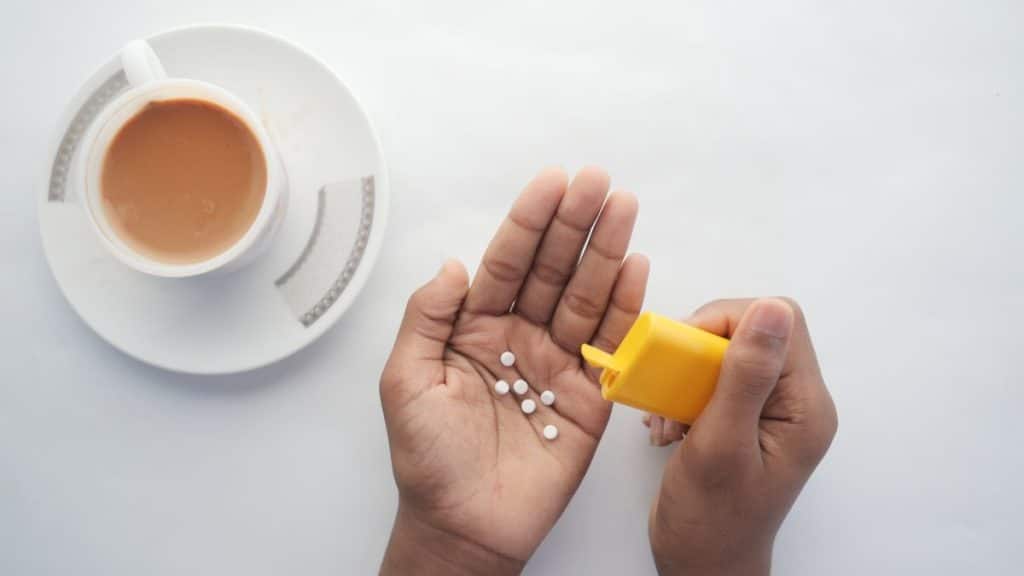
What Are Artificial Sweeteners?
Artificial sweeteners are low-calorie or calorie-free substances used to replace sugar in foods and drinks. They provide sweetness without the same impact on blood sugar or calorie intake.
They are commonly found in:
-
Diet and sugar-free soft drinks
-
Low-sugar desserts and cakes
-
Chewing gum
-
Tabletop sweeteners
-
Toothpaste and oral health products
Common examples include aspartame, sucralose, saccharin, and acesulfame-K.
Are Sweeteners Safe?
In the UK and across the EU, all sweeteners undergo a strict safety assessment by the European Food Safety Authority (EFSA) before they can be used in food and drink products.
EFSA sets an Acceptable Daily Intake (ADI) for each sweetener. The ADI represents the maximum amount of a sweetener that can be safely consumed daily over a lifetime without health risks. The ADI includes a significant safety margin, calculated at just one-hundredth of the amount shown to have no adverse effects.
For example, the ADI for aspartame is 40mg per kilogram of body weight per day. This means a 70kg adult would need to consume around 2,800mg daily to reach the limit. Since a can of Diet Coke contains approximately 180mg of aspartame, you would need to drink 15 cans (or 5.1 litres) every day for a lifetime to hit the ADI.
Do Sweeteners Cause Cancer?
Extensive research has been conducted to explore the link between artificial sweeteners and cancer. Both Cancer Research UK and the US National Cancer Institute have concluded that sweeteners do not cause cancer in humans. Large-scale studies have consistently shown artificial sweeteners to be safe.
Early concerns stemmed from studies in the 1970s where saccharin was linked to bladder cancer in rats. However, more than 30 human studies since then have confirmed these results do not apply to humans, and saccharin is considered safe for human consumption.
Do Sweeteners Contribute to Weight Gain?
It’s sometimes suggested in the media that artificial sweeteners may stimulate appetite and lead to weight gain. However, current scientific evidence on this is mixed.
While some short-term studies have explored possible links between sweeteners and increased hunger, longer-term studies do not provide strong evidence that they contribute to weight gain or obesity when used as part of a balanced diet.
Should You Use Sweeteners?
Ultimately, whether to use sweeteners or not is a personal choice. Current research suggests they can be safely included in a healthy, balanced diet without significant health risks.
If you’re looking to reduce sugar intake without compromising on taste, sweeteners can be a useful tool when used in moderation. However, maintaining a varied diet rich in whole foods remains key for overall health and wellbeing.
Nutrition Support at ROC Clinic
At ROC Clinic, our dietitians provide evidence-based nutritional advice tailored to your health goals, whether that’s reducing sugar intake, managing weight, or improving overall wellbeing.
We focus on practical, sustainable dietary strategies—without unnecessary restriction or fear-based messaging.
For further information please, get in touch.